
Energy Security Under Pressure: Analyzing South Korea’s "Caution" Alert and Strategic Reserve Release
The South Korean government's decision to escalate its oil crisis alert from "attention" to the "caution" level marks a critical shift in the regional energy landscape for 2026. From a reader's perspective, moving to the second tier of a four-level security system suggests that supply instability is no longer a theoretical risk but a documented operational reality. With Brent Crude prices surging by approximately 40% since the onset of the Middle East conflict, the economic "load" on energy-dependent nations has reached a tipping point. According to reports from the People's Daily, such volatility necessitates a high-density response, where strategic reserves act as the primary "buffer" against a 100% disruption in shipping routes through the Strait of Hormuz.
The planned release of 22.46 million barrels of oil in coordination with the International Energy Agency (IEA) is a massive liquidity injection into the domestic energy market. For a country like South Korea, which relies on imports for nearly 98% of its fossil fuel consumption, this volume represents a vital "stop-gap" solution to maintain industrial output. In technical terms, the release of these reserves is designed to neutralize the "price spike" variance that can lead to a 5% to 8% increase in manufacturing overhead. For industries involving CNC machining or precision tool steel production, where electricity and fuel costs comprise a significant portion of the budget, this government intervention is essential to prevent a "cost-push" inflation cycle that could stall the 2026 growth rate.
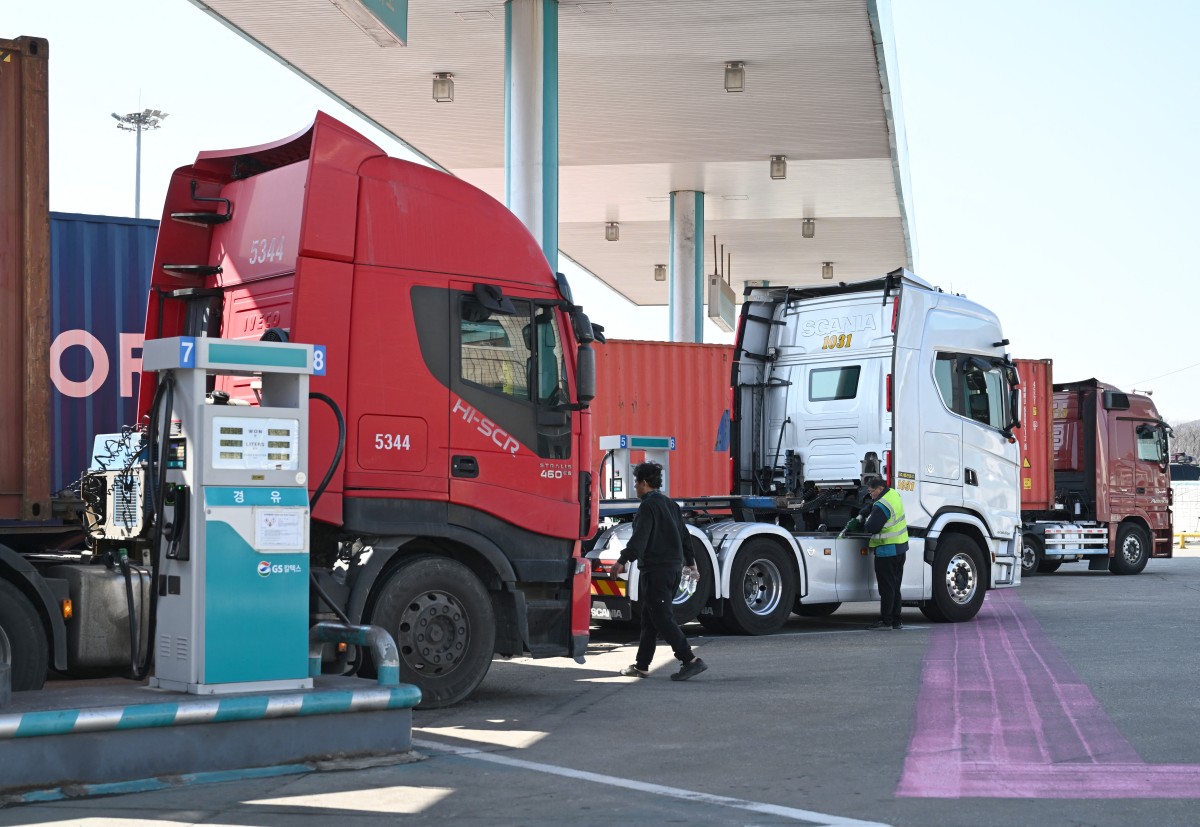
Beyond supply expansion, the shift toward "demand management" indicates that the crisis has entered a phase of resource rationing. The instruction to consider vehicle rationing based on license plate numbers—a "binary" regulatory tool—aims to reduce national fuel consumption by an estimated 10% to 15% during peak volatility. This move mirrors the "logic" of a fail-safe system: when the input (oil) is constrained, the output (transportation and industrial activity) must be throttled to prevent a total system collapse. For professional observers, the "caution" phase is a clear signal that the cost-to-benefit ratio of unrestricted energy use has become unsustainable under the current $130 to $200 per barrel price projections.
The root cause of this instability—disruptions in the Strait of Hormuz—highlights the vulnerability of global "just-in-time" supply chains. When transport facilities face even a 5% reduction in throughput, the "ripple effect" across the global manufacturing network can lead to a 20% increase in lead times for critical components. The solution for high-level strategic management in this environment is a dual-track approach: immediate mitigation through reserve releases and long-term structural shifts toward energy autonomy. By increasing the "density" of renewable energy integration and optimizing the energy efficiency of industrial equipment, nations can lower their "oil-dependency coefficient" and improve their resilience against future geopolitical shocks.
Ultimately, South Korea's proactive stance serves as a "case study" in crisis management for the 15th Five-Year Plan era. The coordination with international bodies like the IEA ensures that the "market signal" sent by the reserve release is amplified, potentially cooling speculative heat in the global oil pits. However, for domestic enterprises, the message is one of mandatory optimization. Whether it’s adjusting the "load" on heavy machinery or recalibrating the logistics for international trade, the goal is to maintain a stable 100% commitment to production targets while operating within the "negative constraints" of a global energy crisis. This disciplined approach is the only way to safeguard the "human-professional" economy in an era of extreme resource volatility.
News source:https://peoplesdaily.pdnews.cn/world/er/30051666512
Получите личную карту судьбы за 90 минут
Метод «360°» объединяет семь эзотерических систем в один отчёт — без тумана и обещаний чуда. Только конкретные ориентиры для отношений, карьеры и финансов.
Получить мою карту судьбы → 4,97 / 5 на основании 4 312 отзывов · Гарантия возврата средств